Discover Vietnam Chili Peppers from the widespread cultivation to the export market. Learn about popular varieties like Celestial, Perilous, Golden Horn, Sweet Bell, and Cayenne. Explore key cultivation regions and the economic significance of chili production. Uncover the unique characteristics and applications of each chili type.
Stay informed about the chili farming landscape, productivity, and standout regions in Vietnam. Enhance your understanding of chili’s diverse health benefits. Navigate the chili market wisely to maximize its positive impact on health and avoid potential drawbacks.
I. Introduction
Chili Peppers: Spice and Income Source for Farmers
Chili peppers have long served as both a popular spice and a reliable source of income for farmers in Vietnam. The distinct flavor and fiery heat of chili make it a staple in Vietnamese cuisine, adding depth and excitement to various dishes. Beyond its culinary use, chili peppers have become a crucial cash crop, contributing significantly to the livelihoods of many farmers across the country.
Cultivation Area of Chili Peppers in Vietnam and Prominent Regions
The cultivation of chili peppers in Vietnam extends over vast agricultural landscapes, making it one of the most cultivated crops. The versatility of chili plants allows them to thrive in diverse climates and soil conditions, contributing to their widespread cultivation.
Several regions in Vietnam stand out for their extensive chili cultivation. These areas have become hubs for chili production, showcasing the country’s commitment to meeting both domestic and international demand. Notable regions include:
- Chi Lang, Trang Dinh, Dinh Lap, Huu Lung in Lang Son Province.
- Quynh Phu in Thai Binh Province.
- An Lao, Vinh Bao, Tien Lang in Hai Phong City.
- Binh Son, Binh Son in Quang Ngai Province.
- An Nhon, Tay Son, Phu My, Vinh Thanh, Tuy Phuoc, Phu Cat in Binh Dinh Province.
- An Khe, Dak Po, Kong Chro, Kbang in Gia Lai Province.
- Da Lat in Lam Dong Province.
- Chau Doc, Chau Thanh in Tra Vinh Province.
- Thanh Binh, Dong Thap Province.
- Tri Ton, Cho Moi, Chau Phu An Phu in An Giang Province, among others.
These regions play a crucial role in meeting the demand for chili peppers and contribute significantly to the agricultural landscape of Vietnam.
II. Popular Chili Pepper Varieties in Vietnam and their Value
2.1. Celestial Chili Pepper
1. Ubiquity and Diverse Applications
Chili peppers, particularly the Celestial variety, have gained widespread popularity in Vietnam due to their versatility and diverse applications. Renowned for their distinctive flavor and moderate heat, Celestial chilies are a staple in Vietnamese cuisine. They are employed in various forms, including fresh, dried, and powdered, serving both culinary and medicinal purposes. The widespread use of Celestial chili peppers showcases their significance in the culinary landscape of Vietnam.
2. Common Varieties of Celestial Chili Pepper
- F1 Hybrid Celestial Chili
- Celestial Chili from Taiwan
- Celestial Chili from South Korea
- Extra Spicy Celestial Chili

3. These chili peppers are characterized by:
- Length: 5 – 6 cm
- Diameter: 0.8 – 1.0 cm
- Weight: 4.0 – 4.2 grams
- Harvest Time: 40 – 50 days
- Spiciness: 100,000 – 225,000 SHU
- Yield: 20 – 30 tons/ha
- Distinctive Traits: Firm texture, thick flesh, ripe in bright red.
These variants exhibit adaptability to Vietnam’s climatic conditions, robust growth, and abundant yields. The cultivation of these popular Celestial chili pepper varieties contributes significantly to the country’s agricultural output and export potential such as dried chili or frozen chili.
2.2. Perilous Chili Pepper
1. Alternative Names and Characteristics
These peppers, belonging to the perennial herbaceous category, typically reach a maximum height of 1.5 meters and boast spreading branches. Their large, perennial leaves contribute to continuous fruiting throughout the year. When mature, the chili peppers exhibit a red color and a subtly piquant taste, making them palatable.
2. Popular Varieties of Perilous Chili Pepper
- F1 Hybrid Perilous Chili
- Green Perilous Chili
These variants are favored for their versatility, with common uses including consumption as fresh produce, preparation of dipping sauces, or the creation of the revered “salted green chili. The distinctive aroma and mildly spicy flavor of these peppers set them apart from traditional chili varieties.

3. These chili peppers are characterized by:
- Length: 1.5 – 3 cm
- Diameter: 0.2 – 0.5 cm
- Weight: 1 – 3 grams
- Harvest Time: 75 – 80 days
- Spiciness: 100,000 – 225,000 SHU
- Distinctive Traits: Small fruits, sharp and refreshing taste.
2.3. Golden Horn Chili Pepper
1. Also Known as Ba Tri Chili
2. Basic Characteristics and Applications
The Golden Horn Chili, commonly referred to as Ba Tri Chili, holds a special place in Vietnamese cuisine, particularly in the southern regions. This chili pepper variety features a flat, smooth skin and is initially white when young, transitioning to a vibrant orange and eventually a ripe red when mature. With a notably spicy taste, Ba Tri Chili peppers are extensively used as a spice in various dishes, including noodles, pho, and hot pot.
Common Varieties of Golden Horn Chili Pepper:
- African Golden Horn Chili
- Ba Tri Chili
- Indian Golden Horn Chili
- Buffalo Horn Chili

3. These chili peppers are characterized by:
- Length: 9 – 15 cm
- Diameter: 1 – 1.5 cm
- Weight: 8 – 10 grams
- Harvest Time: 75 – 80 days
- Spiciness: 30,000 – 50,000 SHU
- Yield: 25 – 40 tons/ha
- Distinctive Traits: Long, blocky fruits with thick flesh and smooth skin
The Golden Horn Chili, with its unique characteristics, finds extensive usage in Southern Vietnamese culinary traditions, contributing to the rich flavors of the region’s diverse dishes.
2.4. Cayenne Pepper
1. Fast Harvest and High Productivity
Cayenne pepper, also known as “ớt chỉ địa,” is recognized for its rapid harvesting and high yield. This type of chili pepper has gained popularity in the market due to its common applications as a cooking spice, raw material for chili sauce production, and even medicinal uses.
2. Common Varieties of Cayenne Pepper
- Korean Cayenne Pepper
- Thai Cayenne Pepper
- F1 Cayenne Pepper
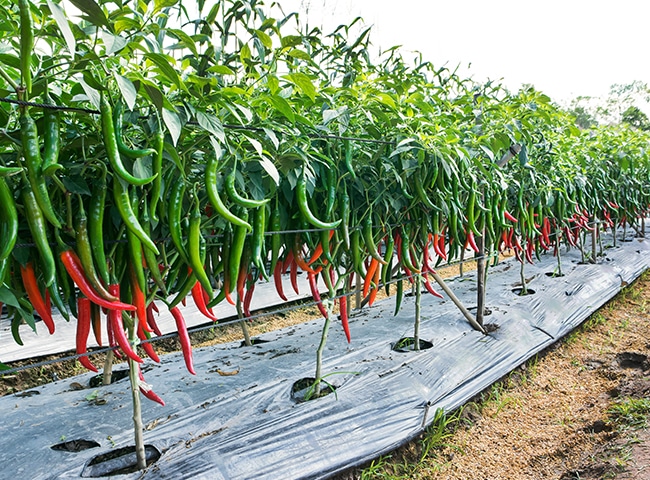
Characterized by:
- Length: 14 – 22 cm
- Diameter: 0.8 – 1.8 cm
- Weight: 10 – 20 grams
- Harvest Time: 60 – 90 days
- Spiciness: 30,000–50,000 SHU
- Yield: 20 – 30 tons/ha
- Distinctive Traits: Large, elongated fruits with thick flesh and bright skin
Cayenne peppers find applications in various culinary dishes and are also used for the production of chili powder and sauces. Their quick harvest cycle and adaptability make them a preferred choice for many Vietnamese farmers.
2.5. Sweet Bell Pepper (Capsicum)
1. Non-Spicy Characteristics and Economic Value
Sweet bell peppers, also known as bell peppers or “ớt chuông” in Vietnamese, represent a distinct category of chili peppers cherished for their non-spicy nature. These peppers, available in various colors such as green, yellow, and red, are characterized by a blocky shape, thick flesh, and sweet taste. Their economic significance in Vietnamese agriculture is notable, as they serve as a high-value crop for farmers.
2. Popular Varieties of Sweet Bell Pepper
- Orange Bell Pepper
- Red Bell Pepper
- Green Bell Pepper
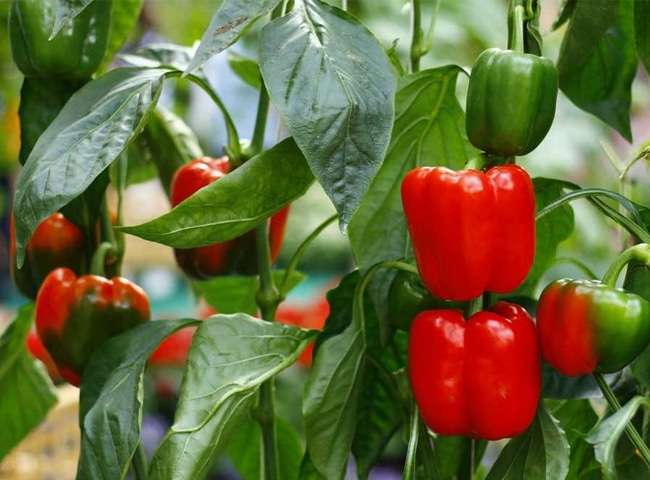
The versatility of sweet bell peppers extends to their use in salads, stir-fries, and various culinary applications. With a Scoville Heat Unit (SHU) rating of 0, these peppers are ideal for those seeking the flavor of peppers without the spiciness.
III. Chili Cultivation Landscape and Prominent Regions in Vietnam
A. Cultivation Area and Productivity of Chili
Chili cultivation in Vietnam encompasses a substantial land area, contributing significantly to the country’s agricultural landscape. The adaptability of chili plants to diverse climatic conditions and soil types has led to a wide cultivation footprint. The total cultivation area for chili peppers, including various varieties, plays a vital role in meeting domestic demand and supporting export activities.
The productivity of chili cultivation is a crucial aspect that influences the economic returns for farmers. Factors such as climate, soil quality, and farming practices contribute to the overall yield of chili crops. Understanding the dynamics of cultivation area and productivity provides insights into the economic significance of chili farming in Vietnam.
B. Prominent Chili Cultivation Regions
1. Chi Lang, Trang Dinh, Dinh Lap, Huu Lung in Lang Son Province
– Overview: Renowned for its extensive chili cultivation, this region in Lang Son Province contributes significantly to the local economy.
– Cultivation Practices: Farmers in these areas employ traditional and modern cultivation techniques to maximize chili yields.
2. Quynh Phu in Thai Binh Province
– Overview: Thai Binh Province, particularly Quynh Phu, stands out as a notable region for chili cultivation.
– Soil and Climate: The soil and climate conditions in this area favor the growth of various chili varieties, making it a key player in the chili farming landscape.
3. An Lao, Vinh Bao, Tien Lang in Hai Phong
– Overview: Hai Phòng boasts significant chili cultivation areas in districts such as An Lao, Vinh Bao, and Tien Lang.
– Economic Impact: Chili farming contributes substantially to the economic well-being of farmers in these regions, offering a reliable source of income.
4. Binh Son in Quảng Ngai Province
– Overview: Quang Ngai Province, with a focus on areas like Bình Sơn, plays a crucial role in chili production.
– Market Presence: Chilies from this region have a notable presence in local markets, contributing to the province’s agricultural reputation.
5. An Nhon, Tay Son, Phu My, Vinh Thanh, Tuy Phuoc, Phu Cat in Binh Dinh
– Overview: Binh Dinh Province features several districts with significant chili cultivation, including An Nhơn, Tay Son, Phu My, Vinh Thanh, Tuy Phuoc, and Phu Cat.
– Trade and Commerce: Chili production in these areas supports local trade and commerce, with a focus on both domestic consumption and potential export.
6. An Khe, Dak Po, Kong Chro, Kbang in Gia Lai Province
– Overview: Gia Lai Province has emerged as a notable region for chili cultivation, particularly in districts like An Khe, Dak Po, Kong Chro, and Kbang.
– Agricultural Practices: The adoption of efficient agricultural practices has contributed to the success of chili farming in these districts.
7. Da Lat in Lam Dong Province
– Overview: Lâm Dong Province, with its temperate climate, is recognized for chili cultivation in areas such as Da Lat.
– Quality and Varieties: The region is known for producing high-quality chilies, and the diverse varieties cultivated cater to various market preferences.
8. Chau Doc, Chau Thanh in Tra Vinh Province
– Overview: Tra Vinh Province, specifically Chau Doc and Chau Thanh, contributes significantly to chili production.
– Economic Significance: Chili farming is a vital component of the local economy, providing livelihoods for many farmers in the region.
9. Thanh Binh, Dong Thap
– Overview: Thanh Binh and Dong Thap provinces are recognized for their substantial chili cultivation areas.
– River Delta Influence: The Mekong River Delta’s influence contributes to favorable conditions for chili farming, making these provinces key contributors to the chili market.
10. Tri Ton, Cho Moi, Chau Phu, An Phu in An Giang Province
– Overview: An Giang Province, particularly districts like Tri Ton, Cho Moi, Chau Phu, and An Phu, plays a crucial role in chili cultivation.
– Trade Networks: Chilies from these areas are integrated into local and regional trade networks, showcasing the economic interconnectedness.
IV. Conclusion and Key Highlights
Chili peppers, beyond their role as a popular spice, offer a myriad of health benefits. The presence of capsaicin, the compound responsible for the characteristic heat of chilies, contributes to several positive effects on health.
1. Cardiovascular Health Capsaicin has been linked to improved cardiovascular health, aiding in reducing cholesterol levels and supporting heart function. The consumption of chili peppers may contribute to overall heart well-being.
2. Metabolic Boost The heat generated by capsaicin can stimulate metabolism, potentially aiding in weight management. Chili peppers may be considered as a flavorful addition to dietary plans focused on maintaining a healthy weight.
3. Anti-Inflammatory Properties Some studies suggest that capsaicin possesses anti-inflammatory properties, which may be beneficial in managing inflammatory conditions in the body.
4. Rich in Vitamins and Minerals Chilies are a good source of essential vitamins, including vitamin C, and minerals such as potassium and manganese. These nutrients play crucial roles in supporting immune function and overall well-being.
While chili peppers offer numerous health benefits, their consumption should be approached with moderation to prevent potential negative effects. Excessive intake of spicy foods, especially for individuals with certain health conditions, may lead to issues such as gastrointestinal discomfort or irritation.
1. Caution for Individuals with Heart Conditions People with pre-existing heart conditions, high blood pressure, or cardiovascular concerns should consume chili peppers cautiously. The heat from chilies can temporarily elevate heart rate and blood pressure.
2. Limitation for Those with Gastric Ulcers Individuals with gastric ulcers or digestive sensitivities may need to limit their intake of chili peppers. The spiciness can exacerbate stomach discomfort in such cases.
3. Considerations for Pregnant Women Pregnant women may want to moderate their consumption of chili peppers, as excessive spice intake can potentially affect maternal and fetal health. Consulting with healthcare professionals is advisable.
4. Balanced Incorporation into Diet To enjoy the benefits of chili peppers without adverse effects, it is essential to incorporate them as part of a balanced and varied diet. This includes combining chilies with other nutritious foods to ensure overall dietary diversity.
In conclusion, the diverse health benefits of chili peppers make them a valuable addition to culinary practices. However, individuals should be mindful of their personal health circumstances and dietary needs to strike a balance that optimizes the positive impact of chilies while minimizing potential drawbacks. As with any dietary consideration, consulting with healthcare professionals can provide personalized guidance based on individual health profiles.