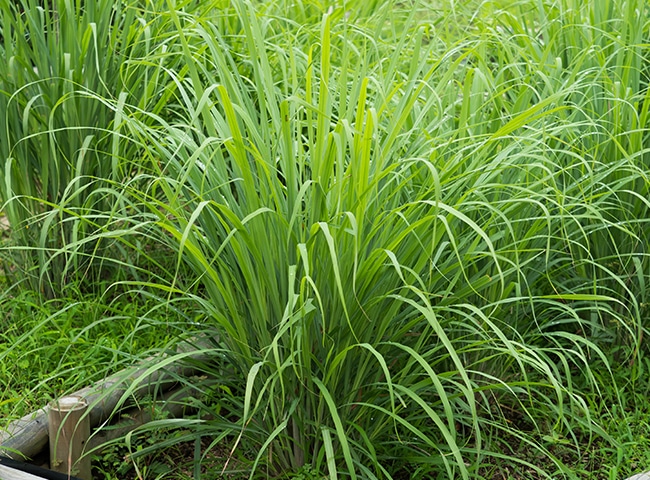
Lemongrass is a tropical, grassy plant that grow in many parts of Asia. It has long, bright green stalks that are Woody in texture and emanate a strong lemony aroma. The stalks are the main part used for culinary, medicinal, and cosmetic purposes. When crushed or grated, they release a zesty citrusy flavor that makes lemongrass a popular ingredient in a variety of Asian cuisines.
Though native to warmer climates, lemongrass can grow in most regions if the weather is right. It prefers hot, humid environments and doesn’t do well in cold weather. Lemongrass has an impressive resume of health benefits thanks to its nutrients, antioxidants, and medicinal compounds. Its refreshing and invigorating citrus flavor brightens up soups, curries, teas and more. This aromatic tropical grass is versatile, easy to grow, and good for you.
I. Benefits of Lemongrass
Lemongrass contains a powerhouse of beneficial nutrients and compounds that make it an extremely healthy addition to one’s diet. It is low in calories yet packed with essential vitamins and minerals. Some of the key nutrients found in lemongrass include:
– Vitamin A: This important vitamin supports eye health, a strong immune system, and healthy skin and mucous membranes.
– Vitamin B6: Vitamin B6 helps the body convert food into energy and aids in the formation of hemoglobin which carries oxygen through the blood.
– Folate: Folate is a B vitamin that helps the body make new cells and is especially important for pregnant women.
– Magnesium: This mineral is needed for bone development, muscle and nerve function, blood glucose control, and making protein and DNA.
– Zinc: Zinc boosts immunity, aids in wound healing, supports growth and development, and impacts taste and smell.
– Copper: Copper helps form red blood cells, maintains blood vessels and nerves, and enables iron absorption.
– Potassium: This electrolyte regulates fluid balance, nerve signals, and muscle contractions.
– Iron: Iron is essential for oxygen transport and energy production.
– Manganese: Manganese supports bone health and metabolism and helps activate enzymes.
In addition to these stellar nutrients, lemongrass contains antioxidants like beta-carotene, chlorophyll, and limonene that help neutralize damaging free radicals and prevent chronic disease. Research indicates lemongrass has potent anti-inflammatory properties that can reduce pain and swelling. It also supports healthy digestion, may lower cholesterol, and has calming, sedative effects. With this stellar nutritional profile, it’s clear lemongrass boosts health in numerous ways.
II. Culinary Uses
Lemongrass is a versatile ingredient that adds a refreshing citrusy flavor to many dishes. Its popularity in Asian cooking reflects the tropical and subtropical regions it grows in. Lemongrass is an integral ingredient in the cuisines of Thailand, Vietnam, Cambodia, Laos, Malaysia, Indonesia, and India. Here are some of the most common ways it is used:
– Soups: Lemongrass is often used in aromatic soups and stews in Thai and Vietnamese cooking. It infuses them with lemon flavor without the need for juice. Popular examples are tom yum soup and pho.
– Curries: Lemongrass stalks are used to flavor many types of curries. It pairs well with the complex spices used in dishes like Thai red or green curry.
– Rice Dishes: In Indonesia and Malaysia, lemongrass leaves are used to flavor popular rice dishes like nasi lemak.
– Seafood: Lemongrass complements seafood beautifully. It is often threaded through fish or shrimp before grilling.
– Skewers: Due to their woody and fibrous nature, lemongrass stalks make excellent skewers for grilled meats and seafood.
– Teas: The dried leaves make refreshing herbal teas. Hot or iced lemongrass tea is popular in Asia.
– Baked Goods: Lemongrass essential oil lends a bright citrus flavor to cakes, cookies, and breads.
– Sauces: Adding lemongrass to sauces like sweet and sour gives them an extra dash of flavor.
Lemongrass is one of those versatile ingredients that works well in savory and sweet preparations alike. Its lemon zest pairs perfectly with the spices and herbs used in Asian cooking.
III. Other Uses
Beyond cuisine, lemongrass has many other uses in health, beauty, and home products.
In aromatherapy, lemongrass essential oil is valued for its refreshing, uplifting scent. The citral and geranial compounds give it strong antiseptic qualities. Diffusing lemongrass oil helps relieve stress, anxiety, insomnia, and depression.
For skin care, lemongrass acts as an effective cleanser, toner, and astringent. It tightens pores, controls oil production, and disinfects skin. It helps treat acne and works well in soaps, creams, and masks.
As an insect repellent, lemongrass oil can be an eco-friendly alternative to harsh chemical repellents. Research indicates it helps deter mosquitoes, ticks, and fleas. The citronella in lemongrass oil is disliked by insects.
Some other handy uses for lemongrass include:
– Cleansing household surfaces: Its antimicrobial action disinfects kitchens, bathrooms, etc.
– Repelling garden pests: It drives away aphids and mites when planted alongside other plants.
– Calming pets: The oil helps relieve anxiety in dogs and cats.
– Potpourri: Its fresh, clean fragrance makes it excellent in homemade potpourri.
Lemongrass is clearly an amazing multi-purpose plant with applications well beyond the kitchen. It offers health benefits both consumed and applied topically.
Lemongrass is an intriguing tropical plant that offers a multitude of benefits. Its stalks and leaves create a zesty, lemony flavor that adds brightness to Asian cuisine. Soups, curries, rice dishes, teas, and more come alive with its citrusy tang. Beyond cooking, lemongrass promotes health in numerous ways. It contains antioxidants that neutralize damaging free radicals. Its nutrients support eye health, digestion, bone strength, immunity, energy levels, and more.
Lemongrass has anti-inflammatory, cholesterol-lowering, and calming properties as well. It makes a refreshing tea and a purifying essential oil. Lemongrass can repel insects, disinfect homes, and reduce pet anxiety too. This aromatic grass has an impressive range of uses. With a grow environment of hot, humid weather, lemongrass can thrive in many regions. It’s easy to incorporate into your cooking routine or wellness practices. The next time you come across lemongrass, relish its invigorating citrus magic.
If you’re interested in Vietnam lemongrass, please contact Wechat/WhatsApp/Viber: +84 787 727 687