I. Nutritional Value of fresh red chili
A. Rich in Vitamins and Minerals
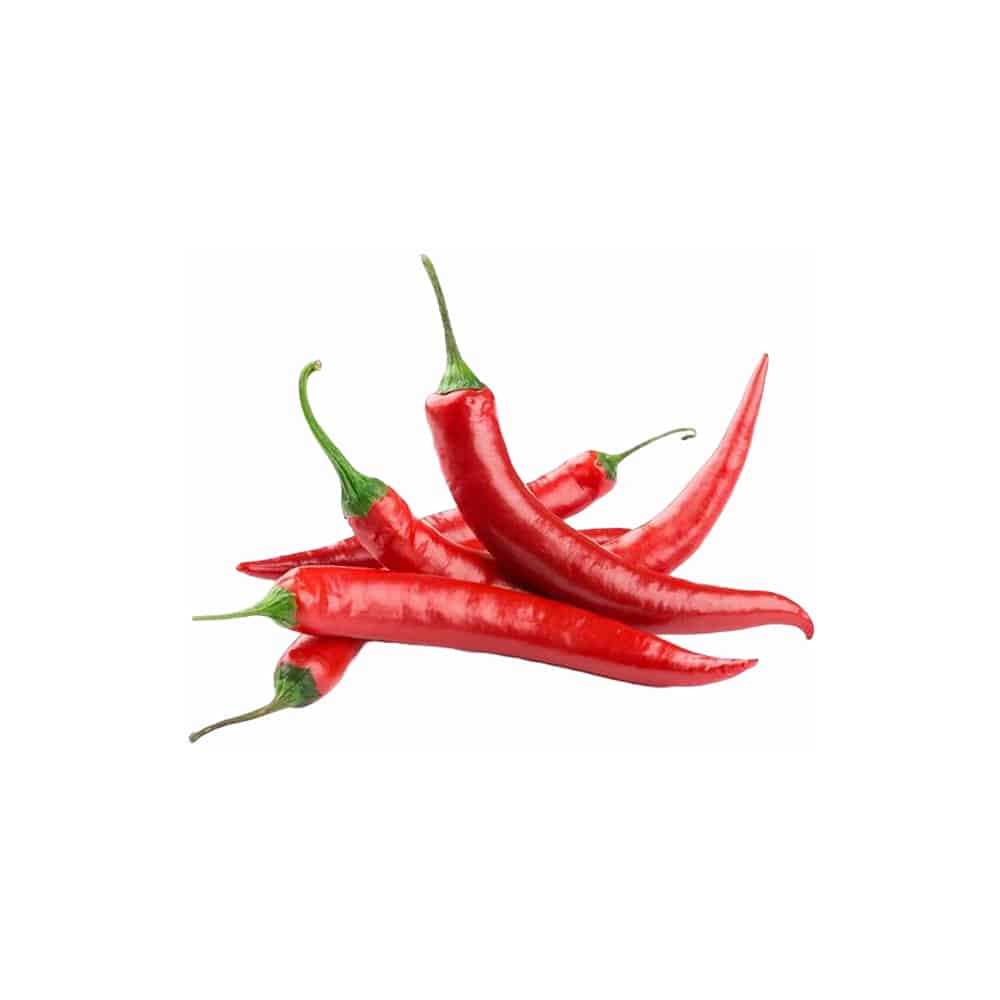
Fresh red chili peppers are a nutritional powerhouse, offering a variety of vitamins and minerals essential for overall health. These include:
1. Vitamin C: Red chilies are an excellent source of vitamin C, a potent antioxidant that supports the immune system, promotes skin health, and aids in collagen production.
2. Vitamin A: The vibrant red color of chilies indicates the presence of beta-carotene, a precursor to vitamin A. This vitamin is crucial for maintaining healthy vision, skin, and mucous membranes.
3. Vitamin B6: This vitamin is essential for brain development and function, as well as the formation of red blood cells.
4. Folate (Vitamin B9): Folate is important for DNA synthesis and repair, making it particularly crucial during periods of rapid cell division and growth, such as pregnancy.
5. Potassium: Red chilies contain potassium, an electrolyte that helps regulate blood pressure, balance fluids in the body, and support proper muscle and nerve function.
6. Iron: While the iron content in chilies is not as high as in some other foods, it still contributes to the body’s iron stores, aiding in the formation of red blood cells.
B. High Levels of Capsaicin and Its Health Benefits
The characteristic heat of red chilies comes from capsaicin, a bioactive compound with numerous health benefits:
1. Pain Relief: Capsaicin has analgesic properties and is often used topically in pain-relieving creams for conditions such as arthritis and muscle pain.
2. Metabolism Boost: Consumption of capsaicin has been associated with an increase in metabolic rate, potentially aiding in weight management and fat loss.
3. Appetite Control: Some studies suggest that capsaicin may help reduce appetite and calorie intake, contributing to weight management efforts.
4. Heart Health: Capsaicin may have positive effects on cardiovascular health by reducing cholesterol levels and improving blood vessel function.
5. Anti-Inflammatory Effects: Capsaicin exhibits anti-inflammatory properties, which may be beneficial for conditions characterized by inflammation.
C. Contribution to Metabolism and Weight Management
1. Thermogenic Effect: Capsaicin is known for its thermogenic properties, meaning it can increase the body’s heat production and energy expenditure. This may contribute to burning more calories and supporting weight loss efforts.
2. Fat Oxidation: Research suggests that capsaicin may enhance the oxidation of fats, potentially increasing the utilization of stored fat for energy.
3. Blood Sugar Regulation: Some studies indicate that capsaicin may help improve insulin sensitivity, which could be beneficial for individuals with insulin resistance or type 2 diabetes.
4. Satiety and Reduced Caloric Intake: The heat from red chilies may contribute to a feeling of fullness, leading to reduced overall calorie consumption.
It’s important to note that while the health benefits of capsaicin are promising, individual responses may vary, and moderation is key, especially for those sensitive to spicy foods. As with any dietary changes, consulting with a healthcare professional is advisable, particularly for individuals with pre-existing health conditions.
II. Culinary Usage
A. Flavor Enhancement in Various Dishes
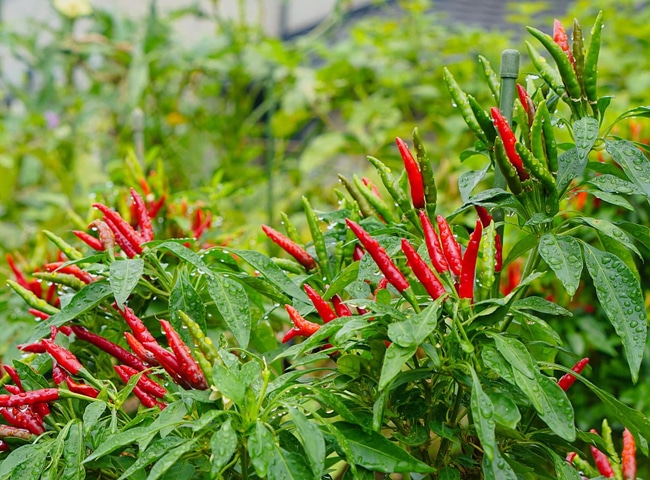
1. Heat and Depth: Fresh red chili peppers are renowned for their ability to add a distinctive heat and depth of flavor to a wide array of dishes. Whether used whole, sliced, diced, or minced, chilies can transform the taste profile of a dish, elevating it from ordinary to extraordinary.
2. Versatility: Red chilies complement a myriad of cuisines, including Asian, Latin American, Indian, Middle Eastern, and more. They are used in both vegetarian and non-vegetarian dishes, showcasing their versatility in enhancing flavors.
3. Balance in Sweet and Savory Dishes: Chilies are not only used to add heat but also to achieve a balanced flavor profile. In many recipes, they play a crucial role in balancing sweetness, acidity, and umami, creating a harmonious culinary experience.
B. Regional Variations in Chili Usage
1. Thai Cuisine: Thai cuisine often incorporates bird’s eye chilies for their intense heat. These chilies are commonly found in dishes like Tom Yum soup and green curry, providing the signature spiciness that Thai cuisine is known for.
2. Mexican Cuisine: Mexican cuisine utilizes a variety of chili peppers, including jalapeños, serranos, and poblano peppers. From salsas to mole sauces, chilies are a fundamental component, adding depth and complexity to dishes.
3. Indian Cuisine: In India, red chilies are a staple in spice blends and curry preparations. They are used in various forms, such as whole chilies in tempering, powdered form in spice blends, and as a key ingredient in regional specialties like vindaloo and biryani.
4. Italian Cuisine: Italian cuisine incorporates chili flakes, known as “peperoncino,” to add a touch of heat to pasta dishes, pizzas, and marinara sauces. The use of chilies varies by region, with some areas favoring milder varieties.
C. Incorporation in Sauces, Marinades, and Spice Blends
1. Hot Sauces: Fresh red chilies are a central ingredient in the production of hot sauces. From mild to extremely spicy, hot sauces enhance the flavor of various dishes and are a favorite condiment worldwide.
2. Marinades: Chilies are often included in marinades for meats and vegetables. The heat not only imparts flavor but also helps in tenderizing the ingredients. Lime, garlic, and spices are commonly combined with chilies to create vibrant marinades.
3. Spice Blends: Ground red chili powder is a key component in many spice blends, such as curry powder, chili powder, and various masalas. These blends are used to season a wide range of dishes, providing both color and flavor.
4. Pickles and Fermented Foods: Chilies are frequently used in pickling and fermenting processes, contributing both heat and a unique tang to preserved foods.
III. Health Benefits
A. Antioxidant Properties
1. Rich in Antioxidants: Fresh red chili peppers are loaded with antioxidants, including vitamin C, carotenoids, and flavonoids. These compounds help neutralize harmful free radicals in the body, reducing oxidative stress and lowering the risk of chronic diseases.
2. Cellular Protection: Antioxidants play a crucial role in protecting cells from damage caused by free radicals. By preventing oxidative stress, red chilies may contribute to cellular health and longevity.
3. Cancer Prevention: Some studies suggest that the antioxidants in red chilies may have a protective effect against certain types of cancers. Capsaicin, in particular, has demonstrated anti-cancer properties in preclinical research.
B. Anti-inflammatory Effects
1. Capsaicin’s Anti-Inflammatory Action: Capsaicin, the compound responsible for the heat in red chilies, has anti-inflammatory properties. It may help reduce inflammation in the body, potentially providing relief for conditions such as arthritis and other inflammatory disorders.
2. Chronic Disease Prevention: Chronic inflammation is linked to various diseases, including heart disease, diabetes, and neurodegenerative conditions. The anti-inflammatory effects of red chilies may contribute to lowering the risk of these diseases.
3. Gastrointestinal Health: Capsaicin has been studied for its potential role in promoting gastrointestinal health by modulating inflammation. It may have protective effects on the digestive system and contribute to maintaining a healthy gut.
C. Potential Pain Relief and Cardiovascular Benefits
1. Pain Relief: Topical applications of capsaicin have been used for pain relief, particularly in conditions like arthritis and neuropathic pain. Capsaicin’s ability to desensitize nerve receptors can lead to a temporary reduction in pain signals.
2. Cardiovascular Benefits: The consumption of red chilies may have positive effects on cardiovascular health:
a. Cholesterol Regulation: Capsaicin has been associated with a reduction in LDL (low-density lipoprotein) cholesterol levels, commonly known as “bad” cholesterol.
b. Blood Pressure Management: Some studies suggest that capsaicin may help dilate blood vessels, leading to improved blood flow and potential benefits for blood pressure regulation.
c. Blood Clot Prevention: Capsaicin may have antiplatelet effects, which could contribute to preventing the formation of blood clots and reducing the risk of cardiovascular events.
3. Metabolic Benefits: Capsaicin’s thermogenic properties may contribute to increased metabolism and fat oxidation, potentially aiding in weight management, which is often associated with cardiovascular health.
IV. Culinary Inspiration
A. Exploration of Different Chili Varieties
1. Mild to Wild: There is a wide spectrum of chili varieties, ranging from mild to extremely hot. Encourage culinary enthusiasts to explore different types, such as poblano, jalapeño, serrano, Thai bird’s eye, and Scotch bonnet. Each variety brings a unique flavor profile and heat level to dishes.
2. Colorful Choices: Chili peppers come in various colors, including red, green, yellow, and orange. The color not only indicates ripeness but can also impact the flavor. For example, red chilies are often sweeter than their green counterparts.
3. Dried vs. Fresh: Highlight the distinction between using fresh and dried chilies. Dried chilies, such as ancho or chipotle, offer a smokier flavor and can be used in spice blends or rehydrated for a different culinary experience.
B. Pairing with Other Ingredients for Balanced Flavors
1. Citrus Zest: The citrusy notes of lime or lemon zest can complement the heat of red chilies, creating a balanced and vibrant flavor profile. This combination is often found in dishes like ceviche, salsas, and marinades.
2. Creamy Elements: Pairing red chilies with creamy ingredients like yogurt, coconut milk, or sour cream can help temper the heat while adding richness to a dish. This balance is commonly seen in curries, sauces, and creamy soups.
3. Sweet and Spicy: Explore the sweet and spicy contrast by combining red chilies with sweet ingredients like honey, mango, or pineapple. This pairing is popular in sauces, glazes, and marinades for grilled meats and seafood.
4. Herbs and Aromatics: Enhance the aromatic profile by incorporating herbs like cilantro, mint, or basil along with aromatics such as garlic and ginger. These additions can round out the overall flavor, providing depth and complexity.
C. Tips for Handling and Cooking with Fresh Red Chili
1. Gloves and Caution: Advise the use of gloves when handling hot chilies, especially if dealing with extremely spicy varieties. Caution against touching the face or eyes during and after handling chilies to avoid irritation.
2. Seeds and Membranes: The heat of a chili pepper is concentrated in the seeds and membranes. Adjust the heat level by removing or retaining these components based on personal preference.
3. Cooking Techniques: Different cooking techniques can alter the flavor profile of red chilies. Sautéing or roasting chilies can enhance their natural sweetness, while using them raw preserves their fresh, vibrant heat.
4. Storage: Provide tips for storing fresh red chilies to maximize their shelf life. Refrigeration can help maintain freshness, and freezing is an option for long-term storage. Additionally, consider drying chilies for later use in spice blends.
5. Balancing Heat: When adding red chilies to a dish, start with a small amount and adjust gradually. This allows for control over the heat level, ensuring the dish is flavorful without becoming overly spicy.
Encourage culinary enthusiasts to embrace experimentation with different chili varieties, flavor pairings, and cooking techniques. The versatility of red chilies offers endless possibilities for creating exciting and unique dishes that cater to individual tastes and preferences.