Are Seedless Limes Good? Why choose Seedless Limes or seedless lemon? Why this citrus marvel is not just a fruit but a cultural treasure. Explore the reasons behind choosing this distinctive theme and unravel the secrets that make seedless limes a true specialty of Vietnam.
I. Significance of Seedless Lime
A. Contribution to Vietnamese Culinary Culture
Seedless limes are not just ingredients in Vietnamese cuisine; they play a vital role in shaping the cultural and unique aspects of local dishes.
Distinctive Flavor
Seedless limes often bring a refined taste and freshness to various dishes. The balanced sweet and sour profile, along with its natural aroma, makes lime an essential component in traditional dishes such as fish sauce, soups, and salads.
Culinary Fusion
Seedless limes serve not only as ingredients but also as inspiration for Vietnamese chefs. The combination of lime with other local ingredients has led to unique variations, reflecting the diversity and richness of Vietnamese culinary culture.
B. Economic and Commercial Potential
Seedless limes extend their influence beyond the kitchen, playing a crucial role in the economic and commercial landscape.
Export Opportunities
With high quality and distinctive flavors, Vietnamese seedless limes have significant potential in the international market. Exporting seedless limes not only boosts income for farmers but also enhances the reputation of Vietnam’s brand on the global stage.
Food and Beverage Industry
Seedless limes provide high-quality raw materials for the food and beverage industry. Their versatility in creating beverages, ice creams, and various food products contributes to business opportunities and adds diversity to the food market.
Sustainable Income
The cultivation and production of seedless limes provide a stable source of income for farmers and those involved in the supply chain. This not only promotes rural economic development but also contributes to poverty reduction and improves the quality of life for local communities.
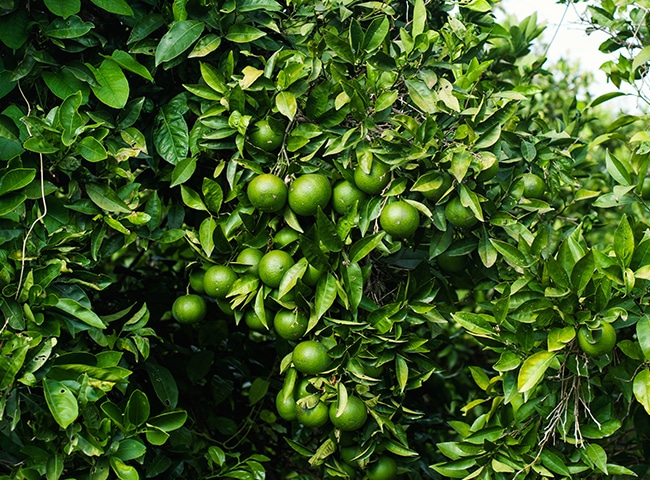
II. Reasons for Choosing “Seedless Limes
A. Uniqueness of Seedless Limes
1. Distinction from Conventional Limes with Seeds
Seedless limes stand out distinctly from their seeded counterparts, and this distinction played a crucial role in choosing this fruit.
a. Physical Appearance
Seedless limes, as the name implies, lack the typical seeds found in regular limes. This physical characteristic not only enhances the visual appeal of the fruit but also contributes to a smoother culinary experience.
b. Texture and Consistency
The absence of seeds alters the texture and consistency of seedless limes, making them more desirable for certain culinary applications. Whether it’s squeezing lime juice for a beverage or incorporating lime wedges into a dish, the lack of seeds simplifies the preparation process.
c. Consumer Convenience
Seedless limes offer added convenience to consumers. They eliminate the need for seed removal during meal preparation or when garnishing dishes, streamlining the cooking process and providing a hassle-free dining experience.
2. Characteristics and Advantages of Seedless Limes
Understanding the specific characteristics and advantages of seedless limes further solidified the decision to focus on this unique variety.
a. Consistent Flavor Profile
Seedless limes often boast a more consistent flavor profile compared to their seeded counterparts. This consistency is crucial in maintaining the desired taste in various recipes, contributing to the reliability of seedless limes in culinary applications.
b. Extended Shelf Life
The seedless variety tends to have a longer shelf life compared to limes with seeds. This extended freshness not only benefits consumers but also has economic implications, reducing potential waste in both households and commercial settings.
c. Versatility in Culinary Uses
Seedless limes exhibit versatility in culinary applications. From savory dishes to desserts and beverages, the absence of seeds makes them more adaptable, allowing for a broader range of creative and diverse recipes.
B. Contributing to Environmental Conservation
1. Advantages of Seedless Limes in the Consumption Process
Enhanced Convenience
The absence of seeds in seedless limes provides consumers with a more convenient and enjoyable eating experience. It eliminates the need for seed removal, making it easier to incorporate seedless limes into various culinary applications without the inconvenience of dealing with seeds.
Efficient Juice Extraction
Seedless limes facilitate efficient juice extraction, especially in commercial settings. The absence of seeds streamlines the juicing process, allowing for faster and more effective production of lime juice, reducing overall processing time and resource consumption.
Reduced Food Waste
Seedless limes contribute to reducing food waste in households and the food industry. With no seeds to discard, the entire fruit can be utilized, minimizing waste and aligning with sustainable consumption practices.
2. Sustainable Cultivation and Production Models
Limited Environmental Impact
The cultivation of seedless limes often involves environmentally friendly practices. With a reduced need for seed management and disposal, the environmental impact of cultivation is minimized, contributing to overall sustainability.
Water and Resource Efficiency
Sustainable cultivation models for seedless limes prioritize water and resource efficiency. By adopting efficient irrigation methods and employing eco-friendly farming practices, the environmental footprint associated with lime cultivation is kept to a minimum.
Natural Pest Control
Some sustainable cultivation methods for seedless limes incorporate natural pest control measures, reducing the reliance on chemical pesticides. This not only promotes a healthier ecosystem but also aligns with environmentally conscious agricultural practices.
Preservation of Biodiversity
Sustainable lime production focuses on preserving biodiversity in the surrounding areas. By avoiding the use of harmful chemicals and prioritizing ecosystem health, farmers contribute to the preservation of local flora and fauna.
Seedless limes not only offer advantages in terms of consumption convenience but also contribute to environmental conservation through the adoption of sustainable cultivation and production models. The absence of seeds simplifies consumption processes and, when coupled with eco-friendly farming practices, makes seedless limes a green choice for both consumers and the environment.
III. Seedless Limes as a Specialty of Vietnam
A. Distinctive Style and Flavor
1. Influence of Local Climate Conditions
The unique style and flavor of seedless limes are intricately linked to the specific climate conditions in Vietnam.
Tropical Climate Advantage
Vietnam’s tropical climate, characterized by warm temperatures and ample sunlight, provides an ideal environment for cultivating seedless limes. This climate contributes to the fruit’s vibrant color, juiciness, and the development of its distinct flavor profile.
Soil Composition
The composition of the local soil plays a crucial role in shaping the characteristics of seedless limes. The mineral-rich soil in certain regions enhances the nutritional content of the fruit, adding to its unique taste and texture.
2. Development History and Preservation of Production Secrets
Understanding the historical development and the closely guarded production secrets adds depth to the appreciation of seedless limes.
Evolution of Cultivation Techniques
The historical development of seedless lime cultivation techniques showcases the innovation and expertise of local farmers. Over time, growers have honed their skills, adapting cultivation practices to optimize the quality and yield of seedless limes.
Preservation of Production Know-How
The cultivation and production of seedless limes often involve closely guarded secrets passed down through generations. These production methods, sometimes rooted in traditional knowledge, contribute to the consistency and excellence of Vietnamese seedless limes, making them a distinctive and sought-after commodity.
B. Role of Seedless Limes in Vietnamese Cuisine
Popularity in Traditional Dishes
Seedless limes have entrenched themselves as a staple ingredient in various traditional Vietnamese dishes.
Enhancing Flavors
The tangy and refreshing taste of seedless limes adds a distinctive element to traditional Vietnamese dishes, enhancing the overall flavor profile. From savory soups to refreshing salads, seedless limes contribute a unique zest.
Culinary Versatility
Seedless limes are versatile and used in both savory and sweet dishes. Their juice and zest elevate the taste of marinades, sauces, and desserts, showcasing their adaptability in Vietnamese culinary traditions.
In conclusion, the distinct style and flavor of seedless limes in Vietnam are deeply rooted in local climate conditions and a rich history of cultivation. Beyond their culinary applications, seedless limes play a multifaceted role in Vietnamese culture, contributing to both traditional dishes and spiritual practices.